Advantages and Disadvantages of Facebook: The Truth You Need to Know – (Kouser Batool 3)
Published: 14 Nov 2025
Facebook is one of the most popular social platforms where people share photos, chat, and stay connected with friends and family. It has become an integral part of daily life for millions worldwide. But like everything else, it has both good and bad sides.
I’ve seen many people confused about whether Facebook is truly helpful or just a waste of time, so let’s break it down. Understanding the advantages and disadvantages of Facebook helps you use it wisely and avoid common mistakes.
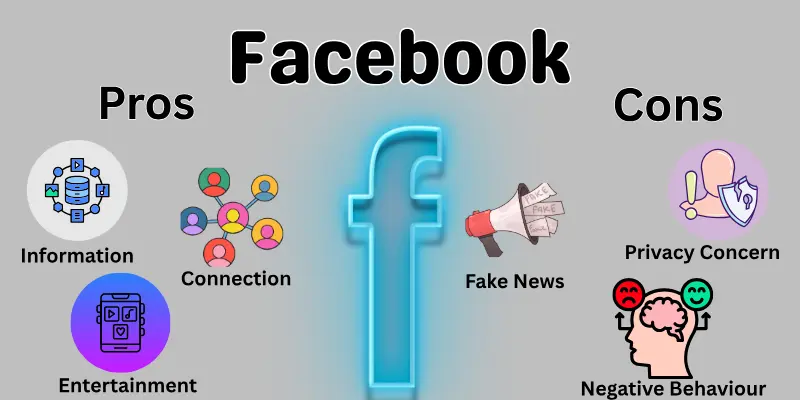
In this article, you’ll learn how Facebook can benefit you, where it can cause problems, and how to strike the right balance while using it.
Pros of Facebook
The social network has become an important part of everyday life for millions of people. It helps users stay connected, share experiences, and discover new ideas easily.
Here are some of the main advantages of Facebook.
- Communication and Connection
- Source of Information
- Business and Promotion
- Entertainment
- Educational Use
Let’s take a look at them one by one.
1. Communication and Connection
Facebook makes it simple to reach friends and family wherever they are. It allows quick updates about your day and lets you respond to others’ posts easily. This helps maintain bonds even when schedules are busy or people live far apart.

The platform also offers groups and communities for people. These spaces let you interact, discuss ideas, and build relationships over time. It brings people together even when life is hectic.
- Share updates and see what others are doing.
- Respond quickly to friends’ posts or comments.
- Join groups to meet people with similar interests.
2. Source of Information
Facebook is not just a place to chat, it’s also where people find what’s happening around them. You can follow news pages, local updates, or alerts. It helps you stay aware of trends, issues, and stories that matter to you.
At the same time, Facebook allows users to share their own experiences or opinions on current topics. This mix of professional news and personal stories gives a wider view of the world. It keeps you informed quickly and easily.
- Get daily updates from trusted pages.
- Learn about global and local events.
- See different opinions and experiences on one platform.
3. Business and Promotion
Small businesses and creators benefit greatly from this social site. It allows them to promote products, run ads, and reach a wide audience without spending much.

Many local businesses also use its pages to build trust and talk to buyers. They can share reviews, updates, and special offers easily. This direct link between sellers and customers makes marketing more personal and effective.
- Reach a wide audience at a low cost.
- Build trust through direct interaction.
- Promote products and services easily.
4. Entertainment
Facebook is also a place to post photos, it’s a fun space to relax and enjoy your time. You can watch videos, follow creators, and explore pages that match your interests. It helps people laugh, learn, and stay entertained during their free time. From games to short clips, there’s always something new to enjoy.

At the same time, Facebook keeps you socially active. You can comment on posts, join group discussions, and meet people who share your hobbies. It makes social interaction easier. This mix of fun and connection keeps the platform lively and engaging.
- Offers a wide range of entertainment options.
- Encourages people to join discussions and stay involved.
- Helps users enjoy free time while connecting with others.
5. Educational Use
This social network is also a great platform for learning. Many schools, teachers, and educational pages share helpful lessons and study materials. Students can join learning groups to ask questions and exchange ideas. It’s a simple way to stay updated on courses, workshops, and online classes.
Social platforms connect us in seconds, but wisdom decides how we use that connection.Kouser Batool
People can also follow experts to get real advice and knowledge in different fields. It turns social media time into something useful. With the right use, Facebook can support both personal and academic growth.
- Helps students find study resources and tips.
- Connects learners with teachers and experts.
- Makes learning easy and accessible for everyone.
Cons of Facebook
While Facebook has many benefits, it also comes with some downsides. Spending too much time on it can affect focus, privacy, and even mental health. Not every post or message you see is real or safe, so users need to stay careful. Here are some disadvantages of Facebook.
- Privacy Concerns
- Time Wasting
- Fake News
- Negative Behavior
Let’s look at them in detail.
1. Privacy Concerns
The platform collects a lot of personal information from users. People often share photos, locations, and personal details without thinking about who can see them. Hackers or strangers can misuse this data, causing problems.

Even with privacy settings, some information may still leak. Posts can be saved or shared by others without permission. That is why it is important to think carefully before sharing anything online.
- Personal information can be accessed by strangers.
- Hackers may exploit your data.
- Privacy settings are not fully secure
2. Time Wasting
People often spend hours scrolling through Facebook without realizing it. This can distract from school, work, or household tasks.
Using social media in balance can boost learning, build stronger relationships, and open new opportunities.
Over time, it becomes a habit that is hard to break. It may cause stress, reduce sleep, or make users feel restless. Setting limits and taking breaks helps keep life balanced.
- Wastes productive time.
- Reduces focus on study.
- It can cause stress and tiredness.
3. Fake News
Facebook is filled with content from many sources. Some posts or pages share false or misleading information. People may believe these stories without checking the facts. Misinformation spreads quickly and can confuse users.

It is easy to share the wrong news. This can affect people’s opinions and decisions. Users should check multiple sources before trusting any post. Being careful helps avoid unnecessary misunderstanding.
- False news spreads fast.
- It can mislead people easily.
- People should always check before trusting any post.
4. Negative Behavior
Some users use it to send hurtful messages or insult others. Public shaming and threats are common problems. This can lower confidence and create anxiety for victims.
Be careful what you share online. Once it’s posted, anyone can save or misuse it.
Negative behavior can affect mental health. Users should report rude content and block harmful accounts. Respectful interaction makes the platform safer.
- People may get bullied online.
- Emotional harm can be serious.
- Makes some users feel unsafe.
Conclusion
In this article, we explored the advantages and disadvantages of Facebook. It can connect people and share knowledge, but it also brings distractions, privacy concerns, and emotional challenges.

Understanding both sides helps you use the platform safely. Balance comes from enjoying the benefits while staying aware of the risks.
Think carefully about how you spend your time online and make choices that suit your life. Use Facebook in a way that brings value, not stress. Now it’s your turn to decide how it fits into your daily routine.
FAQs
Here are some frequently asked questions related to the pros and cons of Facebook.
Facebook is generally safe if you use its privacy settings carefully. Always check who can see your posts and avoid sharing personal details publicly. Be careful with friend requests from unknown people. Report or block anything suspicious.
- Adjust privacy settings regularly.
- Report suspicious accounts
Yes, spending too much time on Facebook can sometimes make people feel stressed. Seeing others’ posts might lead to comparisons or distractions. Taking breaks and using them mindfully helps keep a healthy balance.
Facebook can be a great tool for learning. You can join groups, follow educational pages, and share knowledge with friends. Students and teachers often use it to discuss ideas and find resources.
- Join educational groups
- Share useful articles
Yes, Facebook collects some personal information for ads and suggestions. Sharing location or sensitive info publicly can lead to risks. Always review privacy options and be selective about what you post.
- Check account privacy regularly.
- Limit personal info shared.
People enjoy Facebook because it connects them to friends, family, and communities. It’s entertaining, informative, and easy to use on phones or computers. But overuse can waste time. Using it consciously keeps it positive.
- Stay connected with friends.
- Discover news and interests.
- Use reminders to avoid overuse.

Pros and Cons of Co-Education: Surprising truths that you do not know - Uzma Gulzar (2)



- Be Respectful
- Stay Relevant
- Stay Positive
- True Feedback
- Encourage Discussion
- Avoid Spamming
- No Fake News
- Don't Copy-Paste
- No Personal Attacks
- Be Respectful
- Stay Relevant
- Stay Positive
- True Feedback
- Encourage Discussion
- Avoid Spamming
- No Fake News
- Don't Copy-Paste
- No Personal Attacks
