Different Types of Digital Marketing: 19 Major Kinds-(Ayesha 3)
Published: 21 Nov 2025
In today’s online world, “Types of Digital Marketing” refers to the various ways businesses promote themselves online.
Digital marketing is not just about being online it’s about reaching the right people with the right message at the right time.Ayesha
It’s like a toolbox of strategies to get noticed and connect with people online. From showing up on Google searches to using social media and sending emails, there are lots of ways to get the word out about a business.
Exploring these different types helps businesses figure out the best ways to stand out in the crowded digital space.
In this blog post, we will discuss the major types of digital marketing in detail.
What Are the Types of Digital Marketing?
Guys, digital marketing is an evolving field, and as new technologies emerge, its types continue to expand. As technology advances, the types of digital marketing are also evolving. I have compiled a list of all the major types of digital marketing for you.
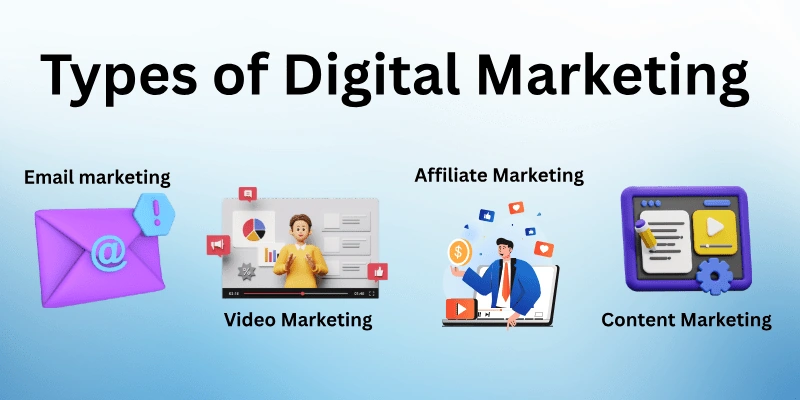
First, I have mentioned the major types, and then I have outlined what falls under each of these types. So, let’s dive in and explore them.
 Subscribe to my YouTube channel
1. Search Engine Optimisation (SEO)
Search Engine Optimisation (SEO) is a digital marketing strategy aimed at optimising a website to enhance its visibility on search engine results pages (SERPs). The primary goal of SEO is to increase organic (non-paid) traffic to a website by improving its ranking on search engines like Google, Bing, and Yahoo.
| benits of SEO |
|---|
|
Here are some benefits of Search Engine Optimisation.
|
SEO components include:
On-Page SEO: On-Page SEO involves optimising individual web pages to enhance their search engine performance. Key elements include:
- Keyword Optimization
- Content Quality
- Meta Tags
- URL Structure
Off-Page SEO: Off-Page SEO focuses on activities outside the website to improve its online authority and relevance. Important aspects include:
- Link Building
- Social Media Signals
- Influencer Collaboration

Technical SEO: Technical SEO involves optimising the technical aspects of a website to improve its crawling and indexing by search engines. Key technical elements include:
- Site Speed Optimisation
- Mobile-Friendly Design
- Crawlability and Indexing
- Structured Data Markup
2. Content Marketing
Content Marketing is a crucial type of digital marketing that revolves around creating, distributing, and promoting valuable and relevant content to attract and engage a target audience.


In the digital landscape, content is the foundation for various online marketing strategies, helping businesses build brand awareness, establish authority, and foster customer relationships.
Blogging: Blogging is a fundamental aspect of content marketing. It involves regularly publishing articles or blog posts on a website. Blogs serve multiple purposes, such as:
- Information Sharing
- SEO Enhancement
Infographics: Infographics are visual representations of information, combining text and graphics to convey complex data in a visually appealing format. Infographics are effective for:
- Data Presentation
- Social Media Sharing

Ebooks: Ebooks are in-depth, downloadable documents that offer comprehensive information on a specific topic. In content marketing, ebooks are used for:
- Lead Generation
- Authority Building
Videos: Video content has become a dominant force in content marketing. It includes various formats, such as:
- Product Demonstrations
- Tutorials
- Testimonials
- Vlogs
Podcasts: Podcasts are audio content that users can subscribe to and download. In content marketing, podcasts are utilised for:
- Thought Leadership
- Interviews
- Brand Storytelling
3. Social Media Marketing (SMM)
Social Media Marketing (SMM) is a branch of digital marketing that utilises social media platforms to connect with the target audience, build brand awareness, drive website traffic, and increase product or service visibility. It involves creating and sharing content on social media networks to achieve marketing and branding goals.
Facebook Marketing: Facebook Marketing involves utilising the Facebook platform for promotional activities. Key aspects include:

- Paid Advertising
- Content Sharing
Twitter Marketing: Twitter Marketing focuses on leveraging the Twitter platform for brand promotion. It includes:

- Real-Time Engagement
- Content Sharing
Instagram Marketing: Instagram Marketing emphasises visual content through images and short videos. Strategies include:

- Image and Video Sharing
- Instagram Stories
LinkedIn Marketing: LinkedIn Marketing caters to professionals and businesses. It involves:
- B2B Networking
- Thought Leadership

Pinterest Marketing: Pinterest Marketing leverages visual content like images and infographics. Key components include:
- Inspiration Boards
- Product Showcasing
4. Email Marketing
Email Marketing is a digital marketing strategy that involves sending targeted messages and content to a group of recipients via email. It is a direct and personalised communication channel that allows businesses to engage with their audience, build relationships, and promote products or services.
Newsletters: Newsletters are regular email updates sent to subscribers, providing them with valuable content, company news, and industry updates. Key elements include:
- Engagement
- Promotions
Promotional Emails: Promotional emails are designed specifically to market products or services. They include:
- Sales and Discounts
- Product Launches


Drip Campaigns: Drip campaigns are automated email sequences designed to nurture leads over time. They involve:
- Lead Nurturing
- Personalization
Transactional Emails: Transactional emails are triggered by specific user actions and provide information related to the transaction. Examples include:
- Order Confirmations
- Shipping Updates
5. Pay-Per-Click (PPC) Advertising
Pay-Per-Click (PPC) Advertising is a digital marketing model in which advertisers pay a fee each time their ad is clicked. It is a method of buying visits to a website rather than earning them organically. Advertisers bid on specific keywords, and when users search for those keywords, the ads are displayed.
Google Ads: Google Ads is one of the most popular PPC advertising platforms. It allows businesses to create and display ads on Google’s search engine results pages (SERPs) and the Google Display Network. Key features include:
- Keyword Targeting
- Ad Formats
Bing Ads: Bing Ads is a PPC platform similar to Google Ads, but it targets the Bing search engine and its associated network. It offers:
- Search Network Ads
- Content Network Ads


Social Media Ads (Facebook Ads, Twitter Ads, etc.): Social Media Ads involve paid advertising on various social media platforms, each with its own unique features. Examples include:
- Facebook Ads
- Twitter Ads
- LinkedIn Ads
6. Affiliate Marketing
Affiliate Marketing is a performance-based digital marketing strategy where businesses reward affiliates for driving traffic or sales to the company’s products or services. Affiliates, which can be individuals or businesses, earn a commission for each customer they bring through their marketing efforts.
Through affiliate marketing, I achieved consistent online income and reached new heights in promoting products effectively.
Bloggers and Influencers: Affiliate marketing with bloggers and influencers involves collaborating with individuals who have a significant online following. Key aspects include:
- Content Creation
- Audience Trust
Coupon and Deal Sites: Affiliate marketing through coupon and deal sites involves partnerships with platforms that provide discounts and deals. Components include:
- Promotional Offers
- Promotion Validation
Niche Affiliates: Niche affiliates focus on specific industries or interests, targeting a more specialized audience. This includes:
- Targeted Marketing
- Specialized Content
7. Influencer Marketing
Influencer Marketing is a digital marketing strategy that involves collaborating with individuals who have a significant and engaged following (influencers) to promote a brand’s products or services. The goal is to leverage the influencer’s credibility and influence to reach and connect with the target audience.
Influencer marketing can be powerful, but choosing the wrong influencer can damage your brand image.
Social Media Influencers: Social Media Influencers are individuals with a large and active following on platforms like Instagram, Twitter, TikTok, or Snapchat. Key elements include:
- Visual Content
- Audience Engagement
Bloggers: Bloggers are individuals who create and publish content on their blogs, focusing on specific niches or topics. Components include:
- Written Content
- Niche Expertise
YouTube Influencers: YouTube Influencers create video content for their subscribers and have a substantial impact on their audience. Key aspects include:
- Video Content
- Subscriber Engagement
8. Online Public Relations (PR)
Online Public Relations (PR) is a digital marketing strategy that focuses on managing and building a positive online image for a brand. It involves utilizing various online channels and platforms to communicate with the public, generate positive visibility, and maintain a favourable reputation.
Online PR manages a brand’s reputation online and builds trust with the audience.
It includes press releases, media outreach, and handling public feedback effectively.
Press Releases: Press Releases are official statements distributed to the media to announce important company news, product launches, or events. Key elements include:
- Newsworthy Information
- Media Outreach
Guest Blogging: Guest Blogging involves writing content for other websites to build backlinks and establish authority in a particular industry. Components include:
- Content Contribution
- Author Recognition
Online Reviews and Reputation Management: Online Reviews and Reputation Management involve actively monitoring and managing a brand’s online reputation through:
- Review Platforms
- Customer Feedback
9. Mobile Marketing
Mobile Marketing is a digital marketing strategy that targets mobile device users with promotional messages and advertising. This approach recognises the prevalence of smartphones and tablets and aims to engage users on these devices through various channels and techniques.
| Mobile Marketing Things to Avoid |
|---|
|
Mobile marketing is powerful, but too many notifications or ads can annoy users. |
Mobile Apps: Mobile Apps are software applications designed to run on mobile devices, providing users with specific functionalities or services. Components include:
- User Engagement
- Push Notifications
SMS Marketing: SMS Marketing involves sending promotional messages to users’ mobile phones through Short Message Service (SMS). Key aspects include:
- Promotional Messages
- Opt-In and Opt-Out
Location-Based Marketing: Location-Based Marketing utilises users’ geographical location to deliver targeted content, promotions, or advertisements. Components include:
- Geotargeting
- Proximity Marketing
10. Video Marketing
Video Marketing is a digital marketing strategy that involves using video content to promote products, services, or brands. This approach recognises the power of visual storytelling and engages audiences through compelling and informative videos.
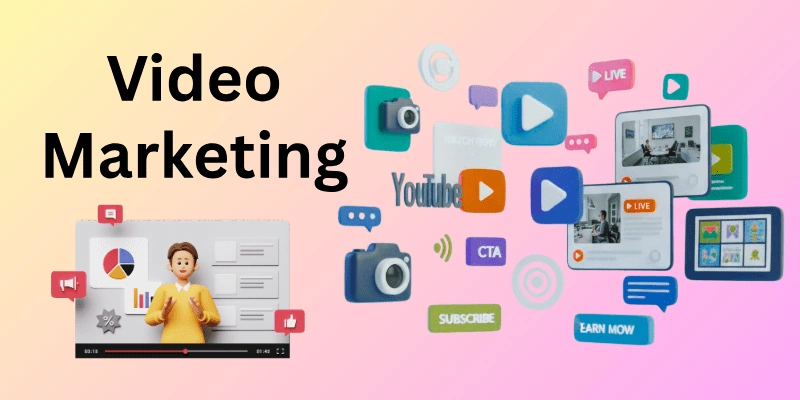
YouTube Marketing: YouTube Marketing focuses on creating and optimising video content for the YouTube platform, which is one of the largest video-sharing platforms globally. Key elements include:
- Channel Optimization
- Content Creation
Poor video quality or unclear messaging can reduce engagement, and ignoring video SEO or mobile optimisation may hurt visibility and reach.
Live Streaming: Live Streaming involves broadcasting real-time video content to an audience. Platforms like Facebook Live, Instagram Live, and Twitch are commonly used for live streaming. Components include:
- Real-Time Interaction
- Event Coverage
Video Advertisements: Video Advertisements are short, engaging video clips used for promoting products or services on various platforms, including social media and video-sharing sites. Key aspects include:
- Visual Storytelling
- Call-to-Action (CTA)
11. Web Analytics
Web analytics is an integral part of digital marketing as it enables businesses to measure the effectiveness of their online campaigns, understand user behaviour, and optimise their digital presence. By leveraging web analytics data, marketers can make data-driven decisions to enhance user experience, increase conversions, and tailor marketing strategies to meet specific goals.
| Understanding Web Analytics |
|---|
|
Web Analytics tracks and measures website performance to understand user behaviour, and helps improve marketing strategies and website effectiveness. |
Google Analytics: Google Analytics is a powerful web analytics tool provided by Google. It offers a comprehensive set of features for tracking and analysing website traffic. Key components include:
- Traffic Sources
- User Behavior
- Conversion Tracking
Social Media Analytics: Social Media Analytics focuses on measuring the performance of social media campaigns and interactions. Components include:
- Engagement Metrics
- Referral Traffic
- Audience Insights
Conversion Rate Optimisation (CRO): Conversion Rate Optimisation (CRO) is the process of improving the percentage of website visitors who take a desired action, such as making a purchase or filling out a form. Components include:
- A/B Testing
- User Journey Analysis
- Usability Testing
12. E-commerce Marketing
E-commerce Marketing refers to the strategies and techniques businesses use to promote and sell products or services online. It involves leveraging digital channels to attract customers, drive online sales, and enhance the overall shopping experience for consumers.
Product Listings: Product Listings involve creating and optimising detailed descriptions and information about products offered on an e-commerce website. Key elements include:
- Product Descriptions
- Images and Visuals
- Pricing and Availability
Shopping Ads: Shopping Ads, also known as Product Listing Ads (PLAs), are a form of online advertising that displays product images, prices, and other details directly within search engine results. Components include:
- Product Feed Optimisation
- Bid Management
- Visual Appeal
Customer Reviews and Ratings: Customer Reviews and Ratings play a crucial role in e-commerce marketing as they influence the purchasing decisions of potential buyers. Components include:
- Review Solicitation
- Moderation and Management
- Star Ratings
13. Voice Search Optimisation
Voice Search Optimisation is a digital marketing strategy aimed at optimising online content to make it more accessible and relevant for voice-activated virtual assistants and voice search queries. With the rise of devices like smart speakers and virtual assistants, businesses are adapting their online presence to cater to voice-driven search behaviour.
Structured Data Markup: Structured Data Markup involves adding code to a website to provide search engines with additional context about the content. This is especially important for voice search as it helps search engines understand and interpret information more effectively. Key elements include:
- Schema Markup
- Rich Snippets
Conversational Content: Conversational Content focuses on creating content that aligns with natural language patterns and the way people speak. Components include:
- Natural Language Processing (NLP)
- Long-Tail Keywords
14. Augmented Reality (AR) and Virtual Reality (VR) Marketing
Augmented Reality (AR) and Virtual Reality (VR) Marketing involve the use of immersive technologies to enhance the customer experience, engage audiences, and promote products or services. AR overlays digital elements onto the real world, while VR creates a simulated environment, providing users with unique and interactive experiences.
AR/VR Ads: AR/VR Ads integrate augmented or virtual elements into traditional advertising formats to create engaging and interactive experiences. Components include:
- Interactive Elements
- Branded Filters
- 360-Degree Videos
Virtual Shopping Experiences: Virtual Shopping Experiences leverage AR or VR to create immersive and interactive retail environments for online shoppers. Key elements include:
- Virtual Storefronts
- Try-Before-You-Buy
- Personalization
15. Chatbot Marketing
Chatbot Marketing involves the use of chatbots, which are automated conversational agents, to interact with users and deliver marketing messages. Chatbots can be employed for various purposes, including customer support, lead generation, and guiding users through the sales funnel.
Customer Support Chatbots: Customer Support Chatbots are designed to assist users by answering queries, providing information, and resolving issues. Components include:
- Frequently Asked Questions (FAQs)
- Issue Resolution
Sales Chatbots: Sales Chatbots are focused on driving sales and conversions by engaging with users and guiding them through the purchasing process. Components include:
- Product Recommendations
- Order Assistance
16. Podcast Marketing
Podcast Marketing involves using podcasts, which are audio programs available for streaming or download, as a platform to reach and engage a target audience.
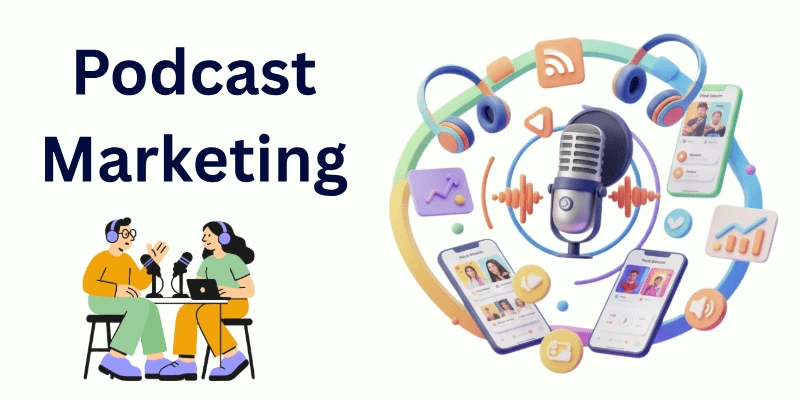
This marketing strategy includes sponsorships, creating branded podcasts, and leveraging podcast content for promotional purposes.
Random:
Sponsorships: Podcast Sponsorships involve partnering with existing podcasts to promote a brand, product, or service to the podcast’s audience. Components include:
- Ad Placements
- Host Endorsements
Branded Podcasts: Branded Podcasts are podcasts created and produced by a brand to share valuable content, showcase expertise, and build a loyal audience. Key elements include:
- Content Strategy
- Branding Integration
17. Interactive Content Marketing
Interactive Content Marketing involves the creation of engaging and participatory content that encourages user interaction and provides a personalised experience. This strategy aims to capture and maintain audience attention through various interactive elements.
Quizzes: Quizzes are interactive assessments that allow users to answer questions and receive personalised results. Key components include:
- Engagement
- Content Relevance
Polls: Polls are short surveys or questions presented to users to gather their opinions or preferences. Components include:
- Audience Feedback
- User Involvement
Interactive Infographics: Interactive Infographics enhance traditional infographics by allowing users to interact with data or content elements. Key elements include:
- Data Exploration
- Navigation
18. Local SEO and Marketing
Local SEO (Search Engine Optimisation) and Marketing involve optimising a business’s online presence to attract and engage local customers. This strategy aims to improve the visibility of a business in local search results, particularly for users seeking products or services in a specific geographic area.
Manual:
Local Business Listings: Local Business Listings are online profiles that provide information about a business, such as its name, address, phone number, business hours, and website. Components include:
- Consistent NAP Information
- Categorization
Google My Business Optimisation: Google My Business (GMB) is a crucial platform for local businesses, offering a prominent presence in Google’s local search results. Key elements include:
- Complete Business Information
- Customer Reviews
19. Emerging Trends
As we navigate the future, new trends are emerging, reshaping the way businesses approach their digital marketing strategies. Here are three noteworthy trends that are influencing the future of digital marketing:
Auto:
Web3 Marketing: Web3 Marketing represents the next phase in the evolution of the internet, characterised by decentralised and blockchain-based technologies. This approach aims to create a more user-centric and privacy-focused online experience. Key elements:
- Blockchain Technology
- Decentralised Applications (DApps)
- Tokenization
Artificial Intelligence (AI) Marketing: AI Marketing involves leveraging artificial intelligence and machine learning algorithms to analyse data, automate tasks, and optimise marketing strategies. It enables personalised and data-driven decision-making. Key elements:
- Predictive Analytics
- Chatbots and Virtual Assistants
- Dynamic Content Optimisation
| Benefits of Digital Marketing |
|---|
|
| Challenges of Digital Marketing |
|---|
|
Conclusion
In this comprehensive blog post, we delved deep into various types of digital marketing, exploring each category and its subtypes to provide a thorough understanding of the diverse strategies employed in the digital realm.
However, the term “digital” extends beyond the horizons of our discussion, encompassing evolving trends that shape the future of marketing.
| Advantages | Disadvantages |
|---|---|
| Increases Online Visibility | High Competition |
| Cost-Effective Marketing | Changing Algorithms |
| Targeted Audience Reach | Negative Feedback |
| Measurable Results | Technical Issues |
| Builds Brand Authority | Ad Fatigue |
FAQs
Here are the commonly asked questions related to digital marketing types:
The main types include SEO, social media marketing, email marketing, content marketing, PPC, influencer marketing, and affiliate marketing. Each type has its own strategy to reach and engage customers. Businesses often use a mix of these types for better results. The choice depends on goals, budget, and audience.
Here are some points:
- SEO stands for Search Engine Optimisation.
- Helps websites rank higher on Google and other search engines.
- Drives free, long-term traffic to websites.
- Focuses on keywords, content, and website structure.
Social media marketing uses platforms like Facebook, Instagram, TikTok, and LinkedIn. Brands post content, run ads, and engage with followers. It helps build awareness, generate leads, and increase sales. It also allows two-way communication with customers.
Here are some points:
- PPC means Pay-Per-Click advertising.
- Businesses pay only when someone clicks their ad.
- Popular platforms include Google Ads and social media ads.
- Provides quick visibility and targeted reach.
Email marketing is still one of the best ways to connect with customers. It allows personalised messages, offers, and updates. Businesses use it to build loyalty and repeat sales. Automation makes it easy to send the right message at the right time.


- Be Respectful
- Stay Relevant
- Stay Positive
- True Feedback
- Encourage Discussion
- Avoid Spamming
- No Fake News
- Don't Copy-Paste
- No Personal Attacks
- Be Respectful
- Stay Relevant
- Stay Positive
- True Feedback
- Encourage Discussion
- Avoid Spamming
- No Fake News
- Don't Copy-Paste
- No Personal Attacks
